Is Spray Foam Insulation Worth It? The Good, the Bad, and the Ugly
Spray foam insulation has become one of the most talked-about options for homeowners looking to improve comfort and energy efficiency. But is it really worth the cost? While spray foam can dramatically reduce air leakage and improve performance, it also comes with unique considerations that many homeowners overlook. Let’s break down what you need to know before deciding whether spray foam is right for your home.
What Is R-Value and How Is It Measured?
Before comparing insulation types, it’s important to understand R-value — the measure of a material’s resistance to heat flow. The higher the R-value, the better it insulates.
1945: Everett Shuman at Penn State proposed R-value as a simple way for consumers to understand thermal resistance.
1963: ASTM C518 became the first standardized testing method, measuring heat flow through materials between hot and cold plates.
1970s: Energy crises drove demand for insulation, prompting the Federal Trade Commission’s “R-Value Rule” (1979) to ensure accurate labeling and testing.
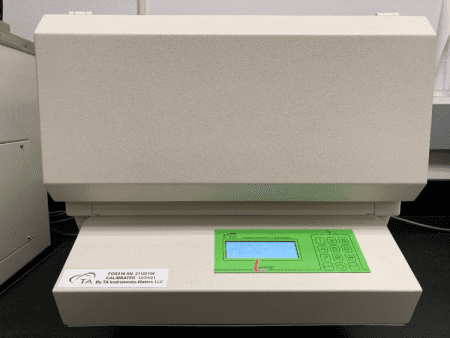
Today, R-value is determined using a “hot box” test, which measures how much heat transfers through a sample under controlled lab conditions.
⚠️ Real-World Limitations
R-value testing doesn’t replicate real-world conditions like wind, moisture, or temperature fluctuations. Traditional fibrous insulations (fiberglass, cellulose, rock wool) often achieve high lab R-values because these tests exclude air movement and humidity. In actual homes, their effectiveness drops significantly.
Why Spray Foam Performs Differently
Although spray foam is assigned an R-value like other insulations, it performs better in real-world applications because it creates an air seal — something fibrous insulation cannot do.
For example, an attic with 16 inches of cellulose might test at an R-value of 56 in a lab, but spray foam will often outperform it in practice due to its airtight seal.
Types of Spray Foam
Closed-Cell Foam: Offers higher R-value per inch, adds structural support, and provides an air and vapor barrier.
Open-Cell Foam: More breathable, allowing some moisture management — often preferred for interior applications.
Key Spray Foam Considerations
Ventilation
Installing spray foam on the underside of the roof deck without venting turns your attic into a semi-conditioned space (known as envelope construction). Ensure there’s no path for moisture to accumulate.Proper Installation
Poor installation can cause gaps, voids, or delamination — reducing effectiveness. Look for certified installers and resources like Spray Jones on YouTube, who offers great examples of what to watch for.Moisture Management
Moisture can move upward into the attic. In humid climates, dehumidification is essential. (Rightway Performance Solutions also has a blog on this topic!)Roof Membrane Protection
For added protection, apply a full membrane system on top of your roof deck. For metal roofs, avoid spraying foam directly onto panels to make future replacements easier.Warranty Requirements
Some shingle manufacturers have specific ventilation or assembly requirements. Always check warranty details before proceeding.HVAC Sizing
A home insulated with spray foam requires precise HVAC sizing. Oversized systems can short-cycle and waste energy. Your contractor should perform Manual J and Manual S calculations — required by national building codes — to ensure comfort and efficiency.
Why HVAC Design Still Matters
Even the best insulation won’t perform at its peak if the HVAC system isn’t designed correctly. Spray foam drastically changes how a home retains and loses heat, and only a properly sized system can handle that balance.
Rightway Performance Solutions brings over 25 years of building science experience to make sure your insulation and HVAC system work together for optimal performance.
Ready to Build a More Efficient Home?
If you’re considering spray foam insulation, start by ensuring your HVAC system is designed to match your home’s new performance profile.
At Rightway Performance Solutions, we combine building science knowledge with professional HVAC load calculations to help homeowners make informed decisions that save energy and money.
📞 Or call us today at (479) 461-9463